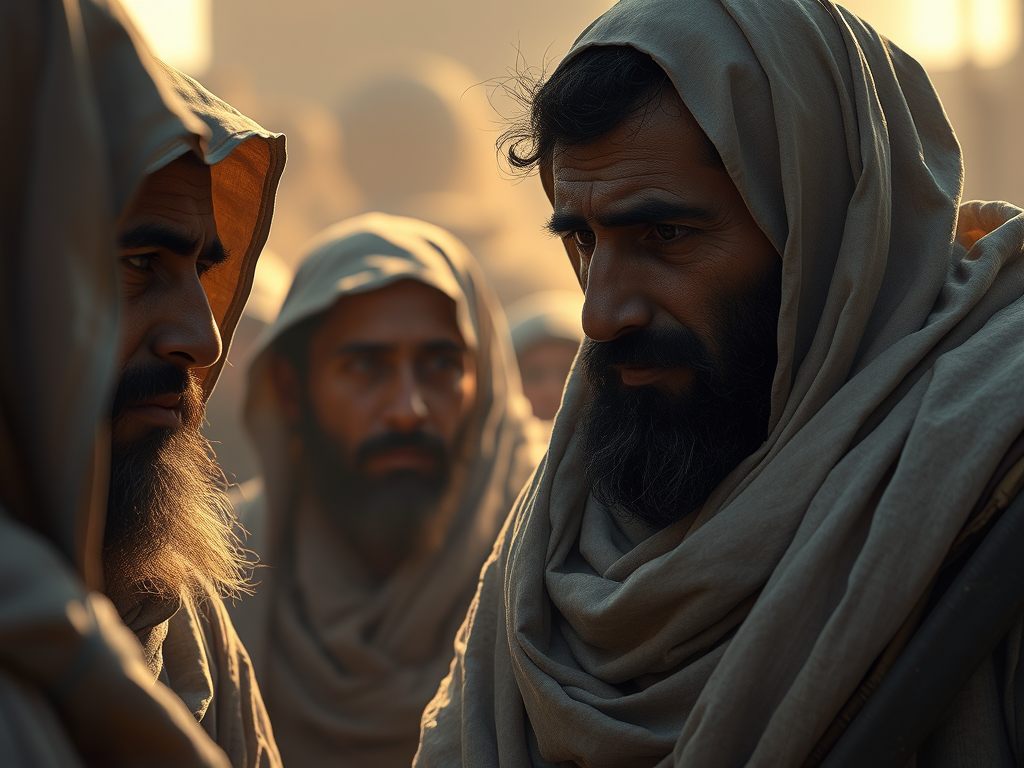
Jacob’s Journey: From Deceit to Divine Purpose

The story of Jacob is a powerful reminder that G-d uses imperfect people to fulfill His plans. Jacob, the grandson of Abraham, was the heir to G-d promise of a specific land, and countless descendants. He also had a mission to bless all humanity (Gen 12:2–7; Gen 28:3–15). Furthermore, Jacob’s life was defined by a shift from relying on his own schemes to relying on G-d’s grace.

The Cost of Deception
Jacob’s early life was marked by a struggle for dominance with his twin brother, Esau. This rivalry, fueled by parental favoritism (Gen 25:28), led Jacob to secure his future through two major acts of trickery. First, Jacob exploited Esau’s hunger, trading a bowl of stew for Esau’s legal inheritance (Gen 25:29–34). Second, with his mother Rebekah’s help, Jacob disguised himself in goat skins to trick his blind father, Isaac, into giving him the patriarchal blessing intended for Esau (Gen 27:1–29).

The blessing was irrevocable (Gen 27:33). However, the deceit had severe consequences. To escape Esau’s murderous rage, Jacob was forced into exile. He fled toward Haran (Gen 27:41–28:9).

Bethel: The Divine Encounter
At age 40, alone and on the run, Jacob reached a turning point at Bethel. Through a vision of a ladder reaching to heaven, G-d confirmed that Jacob was the chosen heir of the covenant. “Here is the center of Jacob’s story; all else must be read in light of the Bethel experience.” — Gary D. Baldwin. This was no longer just a family dispute; Jacob was now wrestling with his responsibility to G-d (Gen 28:10–22).

Harvest & Transformation
In exile, the “deceiver” met his match in his uncle Laban. Jacob was tricked into marrying Leah before marrying his beloved Rachel. He experienced his wages being changed ten times over twenty years of labor (Gen 29:1–30; 31:7). In a harvest of his own sowing, the man who used deception to get ahead found himself the victim of it.

Through these trials, Jacob grew in wealth and character. Eventually, he returned home to face his past. He was no longer a mere trickster, but the man who had encountered the “G-d of Abraham, Isaac, and Jacob.” This transformation offers a vital reflection for us today: Jacob’s life proves that while our schemes may give temporary gains, they carry a heavy burden of anxiety. True rest is found only when we stop grabbing at heels and start clinging to G-d. In practice, this means viewing our own ‘Labans’—those people or trials that test our patience—as tools. They are not obstacles to our destiny. They are the very tools G-d uses to shape us for it.

References:

Douglas Mangum, “Jacob, Son of Isaac,” Lexham Bible Dictionary (2016).

Gary D. Baldwin, “Jacob,” Holman Illustrated Bible Dictionary (2003).

Why Torah Comes First: Understanding Scripture’s Progressive Revelation

Torah is not merely the introduction to the Bible. Rather, it is the unbreakable foundational document upon which the entire narrative and theological framework of the Bible rests.
Torah provides the primary revelation of God’s nature: His holiness, justice, mercy, and faithfulness. Consequently, many central concepts are established in the pages of the Torah. These include God as Creator in Genesis, Redeemer in Exodus, and Lawgiver.

Furthermore, Torah establishes the doctrine of sin (the fall of man in Genesis) and the resultant need for redemption. It is here that the system of sacrifice and atonement(Leviticus) is introduced, providing the indispensable theological framework for the New Testament (Apostolic Writings). Without understanding the purpose and details of the Temple service and sacrificial system in the Torah, the concepts of the Messiah’s atonement and sacrifice lose their original meaning.

This foundation requires a proper hermeneutic, which means reading the Bible sequentially and coherently, beginning with the foundation—the Torah. The Bible is a progressive revelation, where later books build upon earlier ones. For instance, the Prophets (like Isaiah & Jeremiah) frequently call Israel back to covenant obedience as outlined in the Torah. Subsequently, the New Testament (Apostolic Writings) is the culmination of that story. It interprets the life, death, and resurrection of Yeshua through the lens of the Law, the Prophets, and the Writings.

Attempting to interpret the New Testament (Apostolic Writings) without first establishing the framework provided by the Torah leads to several errors. These include reading foreign ideas into ancient texts. It also results in replacement theology and misunderstandings of the terms, concepts, and theological debates that characterized the world of Yeshua and the early Messianic Church.

لماذا “المجالس العرفية” في المنيا لا تُجدي نفعاً

تتوالى الأخبار عن اضطرابات طائفية جديدة في قرية نزلة جلف بالمنيا . و على الرغم من انه اصبح من المعتاد السماع عن أحداث طائفية فى مصر, لكن الاعتياد يجب ان لا ينسينا ان نهج التعامل مع مثل هذه الأحداث يجب ان تثير فينا قلقاً عميقاً. عندما سمعت عن العنف الذي اندلع بسبب مجرد شائعات عبر الإنترنت، أعادت إليّ ذكريات مؤلمة من فترة حياتى في مصر. لقد غادرت البلاد منذ حوالي إحدى عشرة سنة، ولكن معاناة شعبي المسيحي تظل قريبة من قلبي.

ما يقلقني الآن  تحديدا هو الدعوة  لعقد “جلسة مصالحة عرفية”. فبينما يروج المسؤولون  لهذا النهج غالباً كحل سريع لاستعادة الهدوء، فإن تجربتي وما تعلمته منذ مغادرتي يؤكدان لي أن هذه الآليات الخارجة عن القانون تفشل بشكل أساسي في دعم المسيحيين الأقباط. إنها لا تحقق العدالة ولا تحمي المواطنين من بطش المتطرفين الإسلاميين.

مسار معيب

بالنسبة للضحية القبطي، غالباً ما تبدو جلسات المصالحة هذه التي تُعقد بدلاً من الإجراءات القضائية الرسمية, وكأنها خيانة للنظام القضائي. إنها تخلق وهماً للسلام بينما تعمق الشعور بالظلم.

أسباب كون هذه الطريقة غير فعالة

تجاوز القانون: الاعتماد على قادة المجتمع المحلي ومسؤولي الأمن لحل مسألة جنائية يتجاوز المحاكم  و القانون. وهذا يشير إلى أن العنف الطائفي هو نزاع مجتمعي يجب إدارته، وليس جريمة يجب محاكمتها. هذا يقوض المبدأ القائل بأن جميع المواطنين يجب أن يكونوا متساوين أمام القانون.

نتائج غير متوازنة: غالباً ما تُعقد هذه الجلسات العرفية في جو يفتقر فيه الضحايا المسيحيون وممثلوهم إلى أي صوت حقيقي. تكون الاتفاقات التي يتم التوصل إليها غالباً مخصصة (مفروضة ) وتفرض شروطاً غير عادلة، وتتعارض أحياناً مع الحقوق الدستورية. تصبح الأولوية هي “تهدئة التوترات” بدلاً من إرساء المساءلة.

تشجيع الإفلات من العقاب: بتسوية الأفعال الجنائية خارج المحكمة، يتم حماية الجناة من العقوبة القانونية. عندما لا يُحاسب المسؤولون عن إتلاف الممتلكات أو التهديدات أو حتى الاعتداء بشكل قانوني، فإن ذلك يرسل رسالة خطيرة مفادها أن مثل هذه الأفعال لا تترتب عليها عواقب وخيمة. هذا النمط ببساطة يضمن تكرار العنف الطائفي.

والنتيجة هي أن المسيحيين الأقباط غالباً ما يُتركون بشعور بأن أمنهم وحقوقهم قابلة للتفاوض، بدلاً من أن تكون ضمانة تلقائية للمواطنة.


على الدولة أن تتحمل مسؤوليتها

يسلط الوضع في المنيا الضوء على الحاجة إلى أن تتخذ الحكومة  المصرية إجراءات أكثر حزماً وأكثر استناداً إلى القانون. وفي حين أن استجابة الشرطة السريعة وإجراء الاعتقالات خطوة إيجابية، يجب أن يُتبع هذا الجهد بالتزام بالعملية القضائية الرسمية.من أجل الاستقرار والعدالة الحقيقيين، يجب على الدولة أن تطبيق سيادة القانون: ضمان محاكمة جميع الأفراد الذين تم اعتقالهم فيما يتعلق بالعنف الطائفي من خلال نظام المحاكم العادي. يجب أن تتحقق العدالة بشكل واضح وحيادي لجميع المواطنين. فلا مكان للتميزوالظلم فى دولة القانون. أيضا يجب التصدي للتحريض, معالجة استخدام خطاب الكراهية والتحريض الطائفي بشكل مباشر، خاصة على الإنترنت، والذي غالباً ما يكون شرارة هذه الحوادث. أن الواجب الأساسي للدولة هو حماية حقوق وكرامة كل مواطن مصري، وضمان حصول المسيحيين على نفس القدر من الأمن والحقوق كبقية مواطنيهم.

لن نتمكن من كسر حلقة العنف في أماكن مثل المنيا إلا عندما يتم تطبيق العدالة باستمرار وعلى قدم المساواة. أملي هو أن تختار الحكومة طريق المساءلة الحقيقية، لتأمين مستقبل من المساواة الفعلية لجميع المصريين و ان تتوقف عن تشجيع الجلسات العرفية  الظالمة التى  تشجع على العنف و تكرار العنف الطائفي.

Bonhoeffer’s Take on Christian Passivism

A Former Pacifist:

I was somehow surprised to read that Dietrich Bonhoeffer himself was initially a pacifist. Pacifism, in this context, refers to refusing to take action against clear, systemic evil. This often happens under the guise of piety. Sometimes it occurs by focusing only on personal salvation. Thus, pacifism is a direct failure to follow the obedient belief Messiah demonstrated. Nonethlesd, Bonhoeffer didn’t remain a pacifist for long, he eventually realized the danger of his position. This shift was prompted by the rise of the Nazis. For Bonhoeffer, and for the historical lessons of the 20th century, indifference was not simply a neutral position. Silence was not an alternative choice, it is rather an active failure of discipleship. Bonhoeffer saw this as a retreat from God’s full command, and this failure allowed evil to flourish.

Denying the Incarnation:

He went even further; Bonhoeffer would argue that indifference is a denial of the Incarnation of Yeshua. If a Christian is truly believing. They believe in a G-d who was not indifferent to human suffering. G-d entered into human suffering through the Incarnation and bore the cost of injustice with the Cross. Thus, an obedient believer can’t stand apart from the suffering of the world. To be indifferent to injustice, antisemitism, or the plight of one’s neighbor is to act as if Messiah’s life and death were irrelevant.

Bonhoeffer eventually rejected a purely pacifist position after witnessing the catastrophic rise of Hitler. He came to believe that in the face of a predatory regime, the Christian’s duty shifted from preserving personal purity to protecting the victims and actively thwarting the wolf.

His actions in joining the resistance showed his conviction. He believed that obedience sometimes requires political engagement. It even demands direct intervention to halt massive wrongdoing. In his view, to be passive in the face of mass murder was itself a profound moral sin.

History’s Verdict:
History validates Bonhoeffer’s concern. The greatest danger to justice is rarely the power of the aggressor. It is often the silence and inaction of the bystanders.
Passivity refuses to take necessary, costly action; allows the “wolf” to operate unchallenged. Failure of Obedience: It prioritizes self-preservation over the costly call of Christ. Indifference refuses to acknowledge suffering of the Jews. It ignores the plight of Nigerian Christians [to use another a contemporary example]. It claims, “it’s not my problem.” But more importantly it denies the love and justice central to the Gospel.


The failure of much of the German church was not active participation in the Nazi party, but indifference. They simply continued their normal religious lives, seeing the persecution of the Jewish community as an external, secular problem. Bonhoeffer, on the other hand, insisted that true faith demolishes the barrier between the spiritual life. It destroys the barrier of ethical responsibility in the world. This is why, for Bonhoeffer, being a “real Christian” involves moving beyond contemplation. It requires taking costly action in defense of the persecuted. This is the same for true believers today. We should not be silent about the suffering of our brothers and sisters in Nigeria and the Middle East. We should not be indifferent. The demonic hate of antisemitism infiltrates our schools, media, and churches. It does so in the name of pro-Palestinian nationalism. To do so, we are actively disobeying the true G-d.

Moses, Yeshua, and the Revelation of God’s Attributes

“Then he (Moses) said, “Please, show me Your glory!” So He said, “I will cause all My goodness to pass before you, and call out the Name of Adonai before you. I will be gracious toward whom I will be gracious, and I will show mercy on whom I will be merciful.” But He also said, “You cannot see My face, for no man can see Me and live.” Then Adonai said, “See, a place near Me—you will stand on the rock. While My glory passes by, I will put you in a cleft of the rock, and cover you with My hand, until I have passed by. Then I will take away My hand, and you will see My back, but My face will not be seen.” (Exod 33: 18-23 TLV).

As I read in the passage above about Moses’s desire to see the face of G-d. I must be faithful to the original Jewish emphasis. This emphasis is on G-d’s awesome holiness. I affirm the original meaning of the Torah text. No mortal can survive seeing the unmediated glory of the transcendent G-d (Hashem). At the same time, I acknowledge that Yeshua is the Shekhinah made Flesh. He is the only one who can reveal Hashem in a human form to humans. This is because He is the one and only Son. He is himself G-d and is in closest relationship with the Hashem. He has made him known (John 1:18). In other words, I see Jesus (Yeshua) as the ultimate manifestation (or theophany) of G-d’s glory in a way that allows humans to “see” and “live.” He is the promised Messiah; the embodiment of the very presence (Shekhinah) that Moses sought to see. He is the “image of the invisible G-d” (Colossians 1:15).

I agree with the Rabbinic view that Moses saw G-d’s attributes. These were his “goodness” and “back.” However, I argue that Yeshua fully reveals those attributes in his person. These include mercy, compassion, and truth. Yeshua’s life and teaching fully reveal G-d’s nature. This is the essence of the “glory” Moses wished to see.

The Authority of the Old Testament: Book Review

The Authority of the Old Testament by John Bright

My rating: 3 of 5 stars
In his book, John Bright masterfully explains the complex challenges the Hebrew Bible presents to Christians. He accurately identifies the core issue. How can a text rooted in ancient Israel’s specific history, covenant, and culture be authoritative? Christians are living under a new covenant in a different historical and cultural context. Bright’s strength lies in his clear and compelling presentation of this theological and hermeneutical dilemma.

Bright diagnoses the problem. He also effectively critiques the three classical solutions proposed by the Christian church throughout its history. He demonstrates the fundamental flaws in each approach.

Marcionism: Bright demonstrates that rejecting the Old Testament entirely is simplistic. This rejection, as advocated by the 2nd-century theologian Marcion, is a fallible solution. Marcionism, by severing Christianity from its historical and theological roots in Judaism, creates an impoverished and historically ungrounded faith. The Hebrew Bible is essential for understanding the identity of Jesus and the full scope of God’s redemptive plan.

Allegorical Interpretation: Bright addresses the method of allegorical interpretation, adopted by many Church Fathers. He explains that this approach attempts to find spiritual meaning in the Old Testament. However, it risks detaching the text from its original historical context. It also risks losing its literal meaning. This can lead to subjective and arbitrary interpretations, where the authority of the text is replaced by the interpreter’s imagination.

Liberal Protestantism: Lastly, Bright critiques the liberal Protestant approach. This approach attempts to isolate a “normal principle” from the New Testament. The goal is to distinguish between valid and invalid elements of the Old Testament. Bright argues this method is inherently dangerous. It allows the interpreter to cherry-pick what is considered relevant. This cherry-picking ultimately undermines the integrity and unity of the biblical canon. Moreover, it places the real authority in the interpreter who chooses and pick.

While Bright excels at diagnosing the problem, his proposed solution, centered on the discipline of “biblical theology”, falls short. Bright’s thesis is that the authority of the Old Testament is found in its narrative role. It is not in its direct application as a law code. This narrative points toward the ultimate fulfillment in Christ. This approach relies heavily on a specific methodology of biblical theology. This methodology aims to trace a single, unified theological theme. It follows a storyline through the entire Bible. However, this is a problematic foundation for a solution.

Bright himself concedes that biblical theology is a vague and often contentious term among scholars. There is no universally agreed-upon definition or methodology. This lack of consensus renders Bright’s proposed solution neither valid nor practical. If the framework for understanding the Old Testament’s authority is ill-defined, it cannot provide a firm foundation for faith. If it is a debated concept, it does not support practice. The solution relies on a discipline that lacks the very authority and consensus it claims to offer. Consequently, the book leaves the reader with a powerful understanding of the problem but an unconvincing solution.


View all my reviews

Understanding Replacement Theology in Islam

Islam presents a distinctive& radical form of what scholars call replacement theology. In this framework, the people of Israel are no longer considered God’s chosen people. That status is transferred to the Muslim Ummah. This is somewhat parallel to Christian supersessionism, where Israel is seen as replaced by the Church or fulfilled in Jesus. But Islam takes the idea further. It not only redefines the chosen community, it also reinterprets the entire prophetic line. From Adam through Abraham, Moses, and even Jesus, every prophet is recast as a Muslim figure. In essence, these prophets preached the same core message of submission to Allah. Islam claims Muhammad ultimately perfected and finalized this message.

The Relevance of Proverbs Today


In a world buzzing with opinions and distractions, Proverbs cuts through the noise with timeless clarity. Its insights are as relevant now as they were centuries ago, offering practical advice for relationships, finances, and faith. It invites us to pause, reflect, and choose the path of wisdom over folly. Reading Proverbs helps us realize that the loudest noise isn’t in the streets—it’s in our hearts. Proverbs isn’t just ancient poetry; it’s a survival manual for the soul. It calls us to trade our reactive opinions for reflective wisdom. Which path are you walking today?

جوهر سفر الأمثال

في جوهره، يدور سفر الأمثال حول الصراع بين “الحكمة” و”الحماقة”. لكن كلا من الحكمة و الحماقة ليسوا مجرد أفكارمجردة، بل هي قوى فاعلة تشكل حياتنا، تحدد خياراتنا وطريقة حياتنا.

تبدأ الحكمة بـمخافة الرب. هذا لا يعني الخوف بالمعنى التقليدى، بل هو احتضان الاحترام العميق والرهبة المليئة بالإجلال تجاه الله. إنه النوع من الاحترام الذي يحفز على الطاعة، ويغذي الإيمان، ويزدهر في حياة غنية بالرؤية والأعمال الصالحة. الحكمة هى عملية، ومغيرة، ترشدنا لاتخاذ قرارات تكرم الله وتبارك من حولنا.

أما الحماقة، فليست مجرد غباء أو جهل. إنها انحراف متعمد عن الحق ، اختيار عنيد لاتباع طريقنا الخاص بدلاً من طريق الرب. تقودنا الحماقة إلى الضلال، وتعكر حكمنا، وتبعدنا عن الحياة الوفيرة التي يريدها الله لنا.

The Heart of Proverbs

At its core, Proverbs is about the conflict between “Wisdom” and “Folly.” These aren’t merely abstract ideas; they are active life-shaping forces that define our choices and the way we live.

Wisdom begins with the “fear of the Lord.” This isn’t about trembling in fear but embracing a deep, awe-filled reverence for God. It’s the kind of respect that inspires obedience. It fuels faith. It blossoms into a life rich with purpose and good deeds. Wisdom is practical, grounded, and transformative, guiding us to make choices that honor God and bless those around us.

Folly, on the other hand, isn’t just a matter of being stupid or uninformed. It’s a deliberate turning away from God’s truth, a stubborn choice to follow our own path instead of His. Folly leads us astray, clouding our judgment and distancing us from the abundant life God desires for us.