 The Exodus by Richard Elliott Friedman
My rating: 4 of 5 stars
This is an extensive and rigorous study of the biblical exodus. Friedman thoroughly examines the historical reality of the event while exploring its profound aftermath. Beyond tracing how it happened, the book illuminates the far-reaching consequences of the exodus. Moreover, it demonstrates how this pivotal event reshaped history, redefined religion, laid the foundations for modern civilization, and fundamentally altered the way we perceive the world.
View all my reviews
The Silent Crisis
The escalating harassment of Coptic clergy and the reality behind Egypt’s infamous ‘reconciliation sessions.'”
My Mere Existence

Day after day, I try not to hurt anyone around me. I strive to mind my own business, yet more and more people seem irritated by my mere existence. I feel subhuman, like a worm or a bug. Why am I despised by these people? Why can’t they just leave me alone? There is no peace by day or by night, so much so that I wish I had never been born.

LORD, Hashem, why did You allow me to be born? Why must I exist if my very presence is so painful? Are they coming for me, for my wife, or for my kids? No one feels safe anymore. LORD, please save me from this torture. Either deliver my family and me or take me from this world. Oh, G-d of all mercies, my helper, do not be late.
نموذج الاستبدال في الإسلام: من المراجعة التاريخية إلى التعويض الأخروي
من المعتاد ان تُدرس فكرة “لاهوت الاستبدال” أو “الإحلالية” في السياق المسيحي لوصف الاعتقاد بأن الكنيسة المسيحية قد استبدلت إسرائيل وحلت محلها كشعب الله المختار. ومع ذلك، عند النظر إليها في إطار الدراسات المقارنة للأديان الإبراهيمية، نجد أن الإسلام يطرح نموذجًا شاملاً واكثر رديكالية للإحلالية. لا تعمل هذه الإحلالية الإسلامية مجرد انتقال تاريخي للحظوة الإلهية، بل كمنظومة استبدال هيكلية وتاريخية شاملة. وضمن هذا التصور، لا تظهر الأمة الإسلامية كفرع مستقل انشق عن التوحيد الإبراهيمي، بل تُقدّم باعتبارها الوارث الوحيد والشرعي للعهد الأصلي غير المحرف. وتصل هذه الديناميكية اللاهوتية إلى غايتها عبر ثلاث طبقات مترابطة: المراجعة الرجعية لخط الأنبياء، النسخ النصي للرسالات السابقة، والاستبدال الأخروي الحرفي في يوم القيامة (اليوم الآخر).
أولاً: المراجعة التاريخية للنبوات والأسبقية الكونية
على العكس من الإحلالية المسيحية، التي ترى تاريخ بني إسرائيل تمهيدًا ضروريًا وحقيقيًا تحقق واكتمل عبر يسوع المسيح (يشوع)، تؤسس العقيدة الإسلامية لشرعيتها من خلال إعادة تقييم للتاريخ. ففي الإطار الإسلامي، لم يكن أنبياء الكتاب المقدس — بمن فيهم آدم وإبراهيم وموسى وداود وحتى يسوع — جزءًا من تقاليد دينية متميزة تُسمى “اليهودية” أو “المسيحية”. بل جرى إعادة صياغتهم بنيويًا كشخصيات مسلمة حنيفة استسلمت بالكامل لله ودعت إلى أركان الإسلام التوحيدية. وقد نص القرآن صراحة على أن إبراهيم لم يكن يهوديًا ولا نصرانيًا، بل كان حنيفًا مسلمًا. ونتيجة لذلك، جُرِّد السير التاريخي لبني إسرائيل من إرثه الروحي المميز؛ وغدا الأنبياء جميعًا ينتمون إلى خط الاستسلام الإسلامي، مما يجعل الأمة الإسلامية الوارث الشرعي الوحيد لذكراهم وسلطتهم الروحية.
ثانياً: الإحلالية النصية وعقيدة التحريف
لكي تستقيم هذه الأطروحة القائمة على تغير التاريخ، يستعين اللاهوت الإسلامي بعقيدة تحريف الكتب السابقة. ووفقًا لهذه العقيدة، فإن الكتب المنزلة التي أُوتيت للأمم السابقة , وتحديدًا التوراة المنزلة على موسى والإنجيل المنزل على عيسى (يسوع) , كانت في أصلها وحيًا إسلاميًا خالصًا. ومع ذلك، يقرر الخطاب الإسلامي الكلاسيكي أن الأحبار والرهبان قد غيّروا وبدّلوا وحرّفوا تلك النصوص بمرور الوقت، فأخفوا البشارات الدالة على مجيء محمد وصدموا عقيدة التوحيد النقي. ومن هنا، لا يُفهم نزول القرآن كمجرد متمم للكتب السابقة، بل كمصحح نهائي ومهيمن ينسخها ويبطل حجيتها بالكامل. وبإعلان عدم سلامة النصوص السابقة، تلاشت الشرعية اللاهوتية للمجتمعات اليهودية والمسيحية ككيانات مستقلة.
ثالثاً: الاستبدال الأخروي (الفداء)
إن المظهر الأخير والأكثر تطرفا لنظرية الاستبدال في الإسلام يتجاوز التاريخ الدنيوي ليمتد إلى الآخرة. ففي علم الأخرويات الإسلامي (الإسخاتولوجيا)، يرتبط المصير النهائي للأبرار والأشرار بصفقة كونية تُعرف في الأدبيات الفقهية باسم “الفداء”. ووفقًا للمأثور في العقيدة السنية، فإن لكل نفس بشرية مقعدين مخصصين: مقعد في الجنة ومقعد في النار. وفي يوم القيامة، يُمنح المسلمون العصاة, الذين استحقوا دخول النار بسبب خطاياهم , عفوًا إلهيًا. ويتحقق هذا العفو من خلال نقل العقاب المترتب عليهم إلى بديل غير مسلم , وتحديدًا من اليهود أو النصارى , ليُلقى في النار بدلاً من المسلم.
وقد دُوِّنت هذه العقيدة صراحة في “صحيح مسلم”، الذي يُعد أحد أصح كتابين في الحديث النبوي عند أهل السنة والجماعة، وتحديدًا في “كتاب التوبة”. حيث روى أبو موسى الأشعري عن النبي محمد أنه قال:
«لَا يَمُوتُ رَجُلٌ مُسْلِمٌ إِلَّا أَدْخَلَ اللهُ مَكَانَهُ النَّارَ يَهُودِيًّا أَوْ نَصْرَانِيًّا» (صحيح مسلم، كتاب التوبة، حديث 6666).
وفي رواية أخرى في نفس الباب، تأتي الصياغة لتؤكد هذا الاستبدال الكوني ونقل العبء والذنب الروحي بشكل أكثر وضوحًا:
«يَجِيءُ يَوْمَ الْقِيَامَةِ نَاسٌ مِنَ الْمُسْلِمِينَ بِذُنُوبٍ أَمْثَالِ الْجِبَالِ، فَيَغْفِرُهَا اللهُ لَهُمْ، وَيَضَعُهَا عَلَى الْيَهُودِ وَالنَّصَارَى» (صحيح مسلم، كتاب التوبة، حديث 6668).
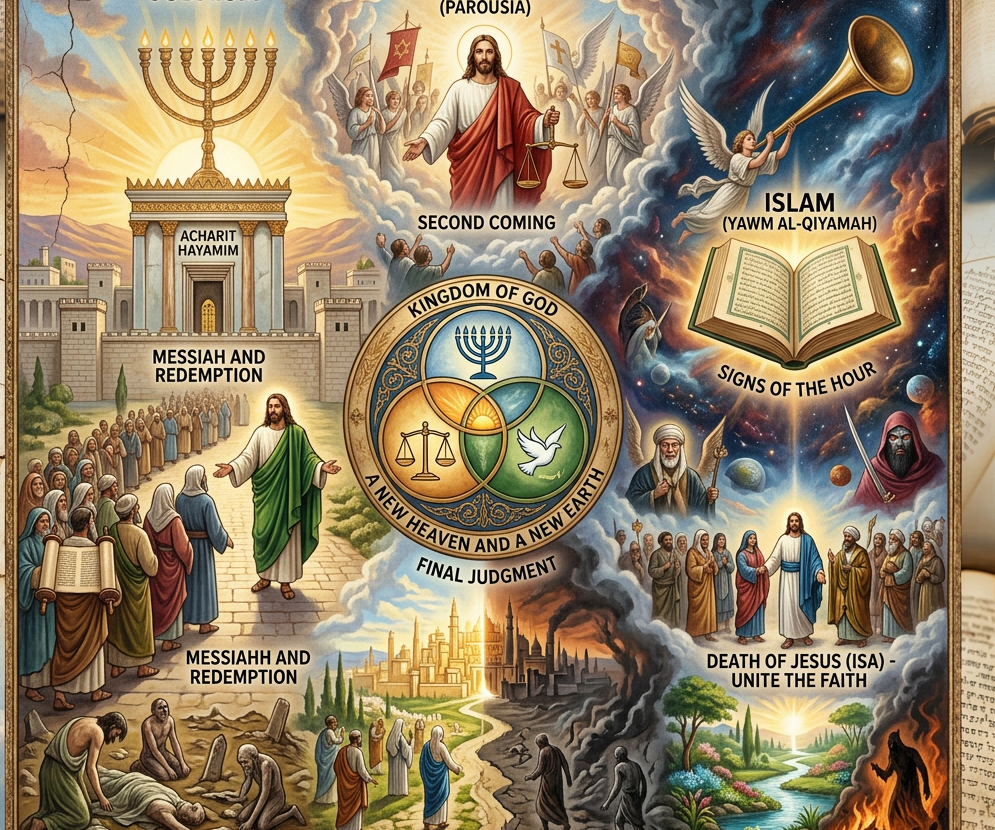
وقد سعى شُرّاح الحديث الكلاسيكيون، وفي مقدمتهم الإمام النووي، إلى التوفيق بين هذه الأحاديث وبين الأصل القرآني المحكم الذي يقرر أنه: ﴿وَلَا تَزِرُ وَازِرَةٌ وِزْرَ أُخْرَى﴾ (سورة فاطر: 18). وأوضح النووي أن هذا الاستبدال لا يعني معاقبة أحدٍ بذنوب غيره التي لم يقترفها. بل يعتمد على فكرة المقاعد المسبقة؛ فحينما يُقضى على الكافرين بدخول النار بسبب كفرهم الأصلي، فإنهم يشغلون المقاعد الفارغة التي تركها المسلمون الناجون. وبالتالي، فإن دخولهم النار يقع بمثابة “الفداء” الذي ينجو به المؤمن العاصي.
خاتمة
تعمل لاهوتية الاستبدال في الإسلام كحلقة إيديولوجية محكمة ومغلقة. تبدأ في الماضي السحيق بتغير هوية أنبياء الكتاب المقدس وإدخالهم في الإطار الإسلامي، وتستمر في العالم الواقعي بإبطال عهود ومقدسات اليهود والمسيحيين عبر النسخ و من خلال استبدال اليهودي أو المسيحي بالمسلم العاصي في نهاية الأيام، يحول الفكر الأخروي الإسلامي مفهوم الإحلالية الأرضية إلى حقيقة كونية ملموسة.. تعلن في المنظور الإسلامي انتصار الأمة النهائي وهيمنتها على سلفائها من أهل الأديان فى الدنيا و الاخرة. هذا يفسر امران و لو بشكل جزءى هما: رغبة المسلميين المستمرة فى استبدال اليهود و المسيحيين و استعبادهم و الهيمنة عليهم اينما ذهبوا؟ الاجابة ببساطة لان القران و الاحاديث تعلمهم عقيدة الاستبدال الشامل. الامر الثانى هو لماذا لا يقوم المسلمون الملتزمون بقتل جميع اليهود و المسيحيين فى الارض؟ الاجابة ببساطة, ليس بسبب سماحة الاسلام بل لأجل ان يحل اكبر عدد من اليهود و المسيحيين مكان المسلميين العصاة فى نار جهنم.
قائمة المراجع (Bibliography)
النووي، أبو زكريا يحيى بن شرف. المنهاج في شرح صحيح مسلم بن الحجاج. بيروت: دار إحياء التراث العربي، 1972.
الطبري، أبو جعفر محمد بن جرير. جامع البيان عن تأويل آي القرآن. القاهرة: دار المعارف، 1954.
مسلم بن الحجاج القشيري. صحيح مسلم. تحقيق: محمد فؤاد عبد الباقي. القاهرة: دار إحياء الكتب العربية، 1955.
Lazarus-Yafeh, Hava. Intertwined Worlds: Medieval Islam and Bible Criticism. Princeton: Princeton University Press, 1992
Netton, Ian Richard. Islam, Christianity and Judaism: A Crossroads of Prayers and Presence. London: Routledge, 2012.
The Scope of Islamic Supersessionism: From Prophetic Revisionism to Eschatological Substitution
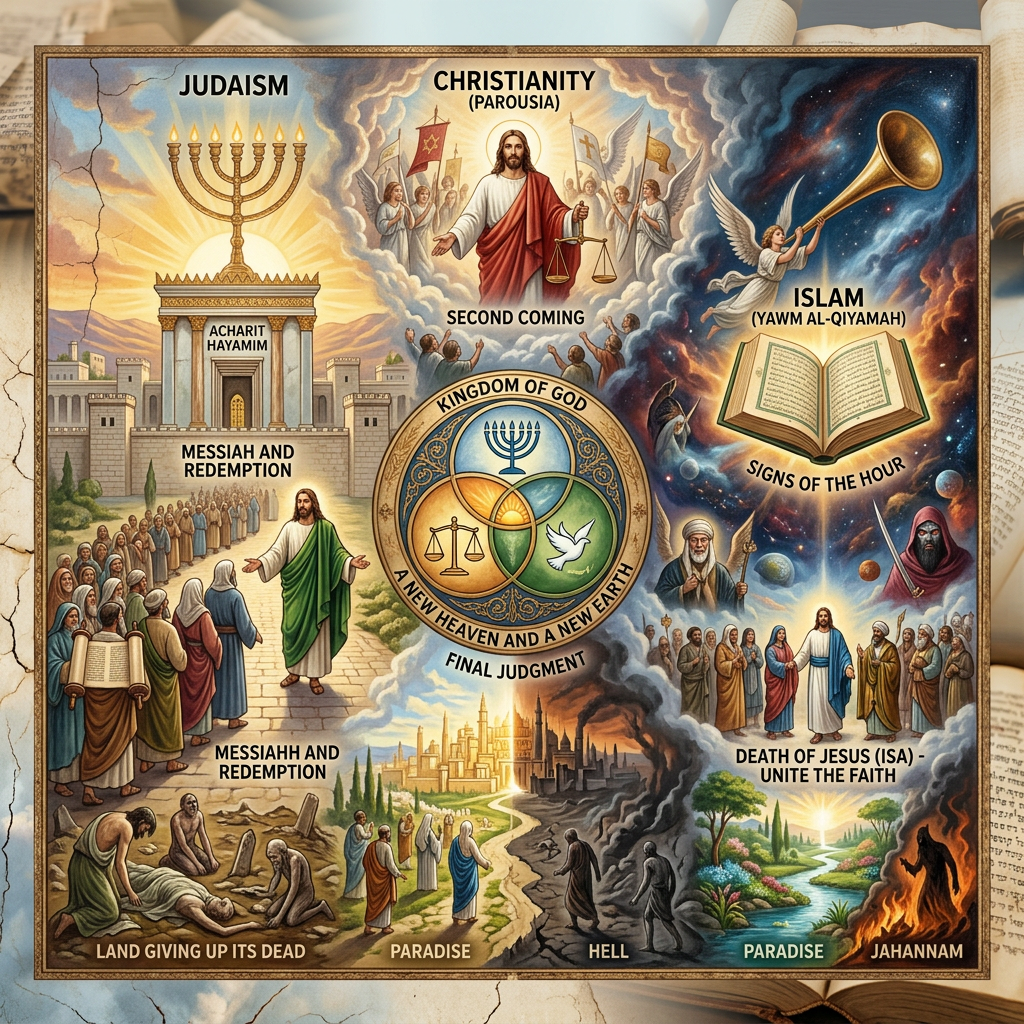
The concept of replacement theology, or supersessionism, is traditionally studied within Christian regularities to describe the belief that the Christian Church has succeeded and replaced Israel as the true chosen people of God. In the comparative study of Abrahamic religions, however, Islam introduces a comprehensive paradigm of supersessionism. This Islamic iteration operates not merely as a historical transition of divine favor, but as a total structural, historical, and cosmic replacement. Within this paradigm, the Muslim people/nation (the Ummah) does not emerge as a separate offshoot of Abrahamic monotheism; instead, it is positioned as the sole, uncorrupted heir to the original covenant.
This theological dynamic reaches its logical conclusion across three interconnected layers: the retroactive revision of the prophetic lineage, the textual cancellation of prior revelations, and a literal eschatological substitution on the Day of Judgment (Yom al-Akher).
I. Prophetic Revisionism and Cosmic Primacy:
Unlike Christian supersessionism, which views the history of Israel as a necessary, authentic precursor fulfilled through Jesus Christ (Yeshuah), Islamic theology establishes itself through a retroactive re-evaluation of history. In the Islamic framework, the prophets of the Hebrew Bible and the Christian New Testament, including Adam, Abraham, Moses, David, and Jesus, were never part of distinct religious traditions called Judaism or Christianity. Rather, they are structurally recast as Muslim figures who submitted entirely to Allah (the deity of Islam) and preached the foundational tenets of Islam. Abraham is explicitly designated in the Quran not as a Jew or a Christian, but as a primordial monotheist (a Hanif) and a Muslim. Consequently, the historical lineage of Israel is stripped of its exclusive spiritual heritage; the prophets belonged to the line of Islamic submission, making the Muslim Ummah (nation) the only rightful beneficiary of their memory and authority.
II. Textual Supersessionism and the Doctrine of Tahrif:
To sustain this historical reclamation, Islamic theology utilizes the doctrine of scriptural corruption, or tahrif. According to this doctrine, the revelations originally delivered to previous communities—specifically the Torah given to Moses (the Tawrat) and the Gospel given to Jesus (the Injil)—were genuine Islamic revelations.
However, classical Islamic discourse claims that Jewish and Christian scribes altered, excised, or distorted these texts over time, thereby obscuring references to the future coming of Muhammad and compromising pure monotheism. The revelation of the Quran is therefore understood not as a supplement to existing scriptures, but as a
final, uncorrupted correction that completely supersedes and invalidates them. By asserting that previous scriptures are compromised, the theological legitimacy of Jewish and Christian communities as distinct covenantal entities is effectively dissolved.
III. Eschatological Substitution: The Ransom
The final and most severe manifestation of Islamic replacement theology extends past temporal history and projects into the afterlife. In mainstream Islamic eschatology, the ultimate fates of the righteous and the wicked are intertwined through a cosmic transaction known as ‘al-Fida’ (the spiritual ransom). According to canonical Sunni traditions, every human soul has an allocated seat in both Paradise and Hell. On the Day of Judgment, sinful Muslims who are technically deserving of hellfire due to their transgressions are granted a divine amnesty. This pardon is actualized by transferring their impending punishment to a non-Muslim surrogate, specifically a Jew or a Christian, who is cast into Hell in place of the Muslim.
This doctrine is explicitly codified in Sahih Muslim, one of the two highest authorities in Sunni Hadith literature, within the Book of Repentance (Kitab al-Tawbah). Abu Musa al-Ash’ari transmitted that the Prophet Muhammad declared:
“No Muslim would die but Allah would admit in his stead a Jew or a Christian in Hell-Fire.” (Sahih Muslim, Book 37, Hadith 6666)
A secondary transmission reinforces this cosmic substitution, explicitly addressing the transfer of moral and spiritual debt to Jews and Christians:
“There would come people amongst the Muslims on the Day of Resurrection with sins as heavy as a mountain, and Allah would forgive them and He would place in their stead the Jews and the Christians.”
(Sahih Muslim, Book 37, Hadith 6668).
Furthermore, some Islamic commentators, such as the medieval scholar Imam Al–Nawawi, sought to reconcile these traditions with the Quranic dictate that “no bearer of burdens shall bear the burden of another” (Surah 35:18). Al Nawawi explained that this substitution does not mean individuals are punished arbitrarily for sins they did not commit. Instead, it relies on the concept of pre-allocated spaces: when non-Muslims are condemned to Hell due to their foundational rejection of Islam, they effectively occupy the physical vacancies left behind by saved Muslims.
Thus, their placement in Hell serves as a contextual “ransom” that spares the sinful believer.
Conclusion
Islamic replacement theology operates as an all-encompassing ideological loop. It begins in antiquity by absorbing the identities of biblical prophets, functions in the temporal world by invalidating Jewish and Christian scriptures, and culminates in eternity on the Day of Judgment. By substituting the Jew or Christian for the sinful
Muslim at the end of days, Islamic eschatology literalizes the earthly concept of supersessionism into a cosmic reality, sealing the definitive triumph of the Ummah over its religious predecessors.
Bibliography
Al-Nawawi, Abu Zakariya Yahya ibn Sharaf. Al-Minhaj bi Sharh Sahih Muslim ibn al-Hajjaj [The Commentary on Sahih Muslim]. Beirut: Dar Ihya al-Turath al-Arabi, 1972.
Al-Tabari, Abu Ja’far Muhammad ibn Jarir. Jami’ al-bayan ‘an ta’wil ay al-Qur’an [The Commentary on the Quran]. Cairo: Dar al-Ma’arif, 1954.
Lazarus-Yafeh, Hava. Intertwined Worlds: Medieval Islam and Bible Criticism. Princeton: Princeton University Press, 1992.
Muslim ibn al-Hajjaj al-Qushayri. Sahih Muslim. Translated by Abdul Hamid Siddiqui. Riyadh: Darussalam Publishers, 2007.
Netton, Ian Richard. Islam, Christianity and Judaism: A Crossroads of Prayers and Presence. London: Routledge, 2012.
Break Free from Your Bubble: Embrace Diverse Perspectives

A Call to Break Out of our Bubbles: Why our Worldview is Often Smaller Than We Think
Have you ever met someone who was totally convinced they were the most open-minded person in the room, only to watch them completely freak out the moment someone disagreed with them? Maybe you’ve even caught yourself doing it.
It’s an uncomfortable pill to swallow, but here is the truth: ‘We are all naturally biased.’ Even those of us who pride ourselves on being empathetic or progressive carry around an invisible pair of tinted glasses. We don’t do it maliciously; we do it because our brains are confined to the borders of our own lived experiences. If you’ve only ever lived in a world where life operates one way, it is nearly impossible to understand a world that operates another.
But there is a remedy to this psychological phobia: ‘cultural exposure.’The broader our experiences with people from different backgrounds, the better equipped we are to pause, listen, and realize that our way isn’t the ‘only’way: it’s just ‘one’ way.
The real danger of a limited worldview isn’t just that we miss out on other cultures; it’s that we actively misinterpret them. When we don’t know the world beyond our borders, we use our own cultural norms as a master decoder ring for everyone else’s behavior. This leads to massive misunderstandings because cultural cues can be incredibly deceptive. Consider a couple of everyday examples:
“Eye Contact:” In a typical Western setting, avoiding eye contact is often judged as a sign of dishonesty or weakness. But in many Asian and indigenous cultures, avoiding direct eye contact is a profound sign of respect and deference to authority.
“Speaking Volume:” A loud, passionate conversation might look like a hostile argument to an outsider, when in reality, it’s just a normal, affectionate family discussion in an expressive culture.
What Other Thinkers Say:
When we view these actions strictly through our own cultural lens, we jump to false conclusions. We misinterpret respect as shadiness, engagement as agreement, or passion as aggression. We assume the code we grew up with is universal, entirely missing the actual message being sent. This trap isn’t a new discovery. Thinkers have wrestled with the limits of personal perception for centuries. The mid-20th-century writer “Anaïs Nin” captured this perfectly when she wrote: “We don’t see things as they are, we see them as we are.”
When you look at an unfamiliar practice, you aren’t judging it objectively. You are running it through the filter of your childhood, your hometown, and your social norms. If it doesn’t match your filter, your brain’s knee-jerk reaction is to label it “wrong” or “weird.”
To combat this, we have to adopt the mindset of the ancient philosopher “Socrates”, who famously leveled human arrogance by stating: “The only true wisdom is in knowing you know nothing.”
True open-mindedness isn’t claiming to understand everyone; it’s admitting that your current view of the universe is inherently incomplete. It’s moving from a posture of “I know what that behavior means” to “Let me ask what that behavior means.”
What Scripture Says
This call to break out of our bubbles and avoid hasty judgments is deeply woven into spiritual wisdom. The Biblical Book of Proverbs warns us against the danger of relying purely on our first, isolated perspective: “The first to state his case seems right, until another comes and cross-examines him.” (Proverbs 18:17)
When we stay isolated within our own group or crowd, our own narrative and interpretation of the world always feels flawless and absolute. It is only when we step out and engage with “another,” someone who can cross-examine our assumptions and explain their own context, that we realize how much we were misreading.
Stepping Outside the Lines
Biases don’t disappear because we make a wish. They break down through friction, the wonderful, sometimes messy friction of shared meals, shared stories, and serious conversations with people who look, think, and communicate differently than we do. The next time you find yourself instantly offended, confused, or judging someone else’s behavior, take a breath. Remind yourself that you might be reading a completely different script than they are. Stop assuming, start asking, and open your heart and your mind.
Haunting Memories
Dignity
أجيال من حكم العسكر
كان لدى كثير من اعضاء تنظيم الضباط الأحرار علاقات و انتماءات سابقة إلى جماعة الإخوان المسلمين الارهابية، لكن تنظيم الضباط الأحرار لم يكن مجرد فرع منشق عن الإخوان. فقد أصبح تنظيمًا مستقلًا ضم ضباطًا متطرفين من اتجاهات مختلفة، منهم إسلاميون وقوميون و اليساريين. لكنهم جميعا فاشلون.
لقد استطاع البكباشي جمال عبد الناصر تجريف مصر من معظم مكتسبات العصر الملكي، فكان بداية عهد الشعارات الضخمة والإنجازات المبالغ فيها. كما أسهم في القضاء على التعددية السياسية والحياة الديمقراطية والحريات العامة، عبر حل الأحزاب وإقامة نظام الحزب الواحد. وفي عهده ارتبطت مصر بمشروع القومية العربية الذي انتهى بالفشل، وتراجعت الهوية المصرية لحساب هوية القومية العربية
·
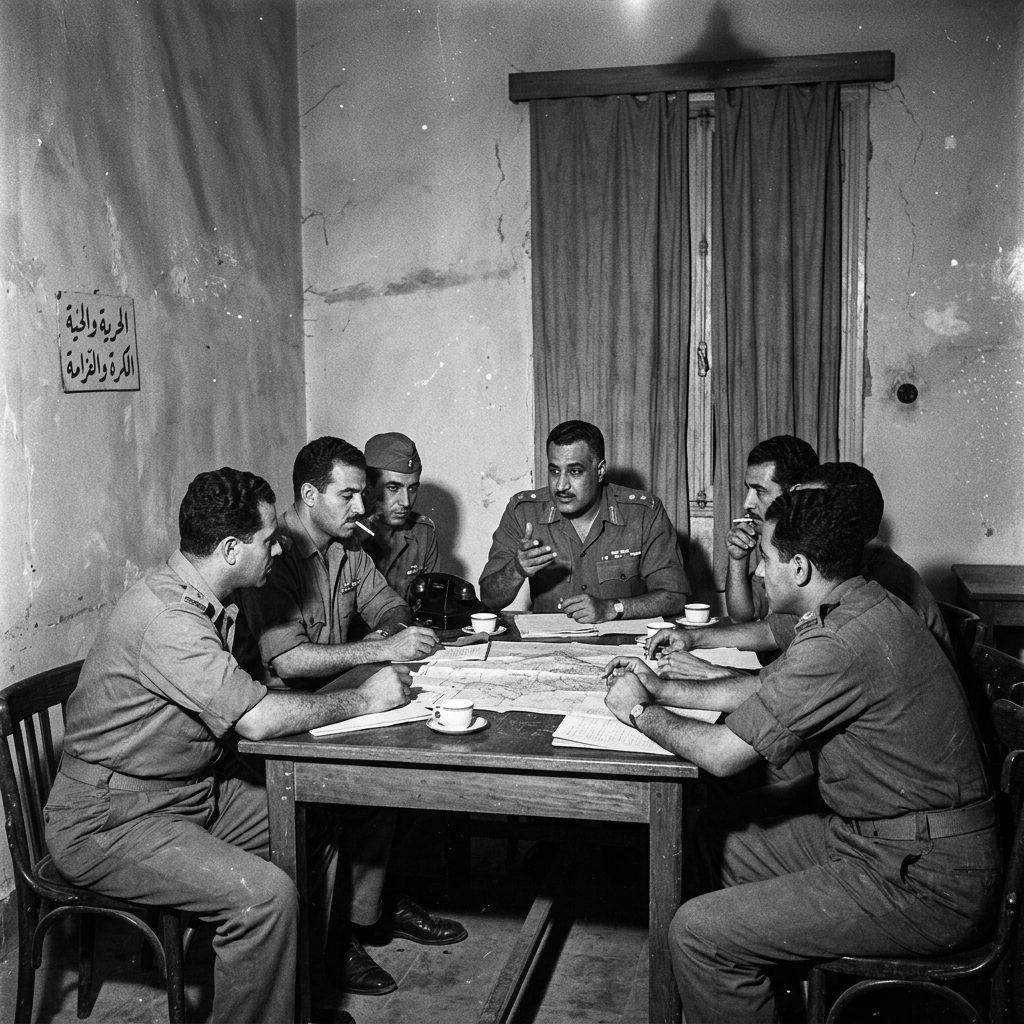
أما آخر الضباط الأحرار الذين حكموا مصر فهو السادات. وللإنصاف، يُحسب له أنه حاول إصلاح الكثير مما أفسده البكباشي، كما كان أكثر ذكاء من سلفه. غير أنه، في صراعه مع الناصريين ومراكز القوى من الضباط الموتورين، استعان بالإسلاميين ومنحهم مساحة أكبر للحركة.
لكن كل ذلك لم يشفع له؛ فقد انتهى الأمر باغتياله غدرًا في حادث المنصة الشهير. بل إن بعض الروايات والقراءات السياسية تذهب إلى أن السادات ربما تعرّض أيضًا لخيانة أو تواطؤ من بعض رجاله والمحيطين به، وهو ما يظل محل جدل بين المؤرخين.
أما الجيل الثاني من الديكتاتورية العسكرية من الضباط فهو محمد حسني مبارك، والذي ركب موجة “الاستقرار الزائف”. حاول مبارك، لامتصاص الغضب الشعبي، منح هامش مساحة شكلية من الحريات العامة والصحفية، إلا أنه في الحقيقة واصل تكريس نظام الحزب الواحد عبر “الحزب الوطني الديمقراطي”. وفي عهده تحول تجريف المقدرات من المسار الأيديولوجي إلى مسار الفساد الهيكلي وزواج السلطة برأس المال، لتدخل مصر في حالة من الركود الاقتصادي والسياسي، مع استمرار اللعب على حبل “المقايضة” مع الإسلاميين؛ حيث منحهم مساحة أوسع للحركة في الشارع والنقابات والمساجد ليكونوا الفزاعة التي يبرر بها بقاء نظامه الفاشل، حتى انتهى عهده بثورة يناير التى أطاحت به ،
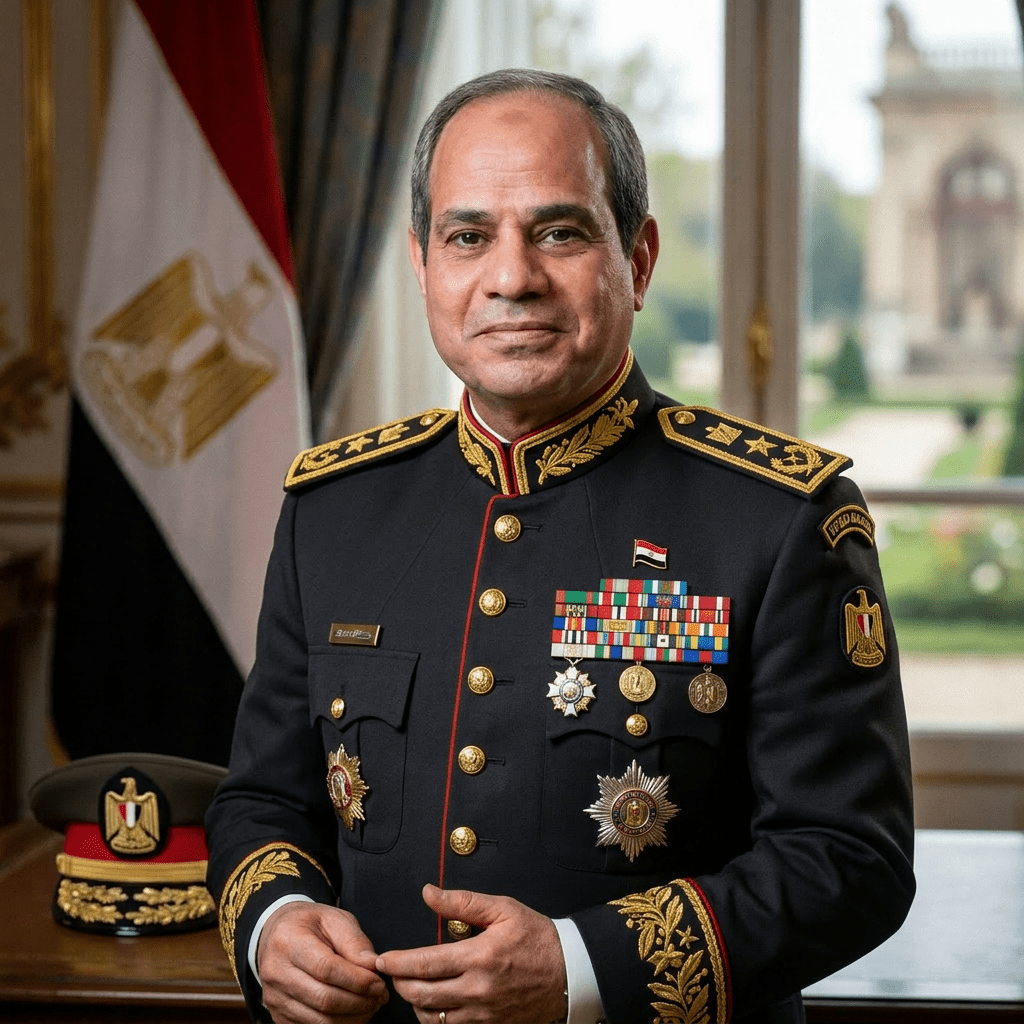
وصولاً إلى الجيل الثالث والذي يمثله عبد الفتاح السيسي، والذي قاد ارتداداً عنيفاً نحو الحكم العسكري القبيح وبقبضة حديدية غير
مسبوقة. إذا كان البكباشي عبد الناصر قد بدأ عهد الشعارات الضخمة، فإن السيسي قد أوصل هذا النهج إلى ذر التاريخية عبر مشروعات العاصمة الادارية والإنشاءات والمشاريع العملاقة المبالغ في جدواها ، والتي أدت في النهاية إلى تجريف كامل للاقتصاد المصري، وإغراق البلاد في ديون طاحنة غير مسبوقة دمرت الطبقة المتوسطة وأفقرت الشعب.لقد قضى السيسى و أذنابه تماماً على أي هامش للحياة الديمقراطية أو هامش الحريات التي تركها سلفه، وأسس لنظام الفرد الواحد الذي يحكم بالقبضة الأمنية الصارمة، ليتحول مشروع “الدولة المخابراتية والأمنية” إلى العلن، محققاً بذلك الفشل الأكبر في إدارة موارد الدولة وتدمير هويتها الاقتصادية والاجتماعية.
فلسفة “ويليام بن” وحتمية التغيير في مصر
كتب المفكر الانجليزي “ويليام بن” في تأملاته حول طبيعة الوجود: “لا يمكن أن تقوم ثورة بدون موت؛ لأن التغير يفترض ذوبان شكل معين، من أجل تعاقب شكل آخر.” ورغم أن “بِن” كان يتحدث عن انتقال الروح، إلا أن منطقه يكشف عن قانون كوني: لا يمكن للحياة الحقيقية أن تزدهر حيث ترفض الأشكال الهشة والمستبدة أن تتنحى.
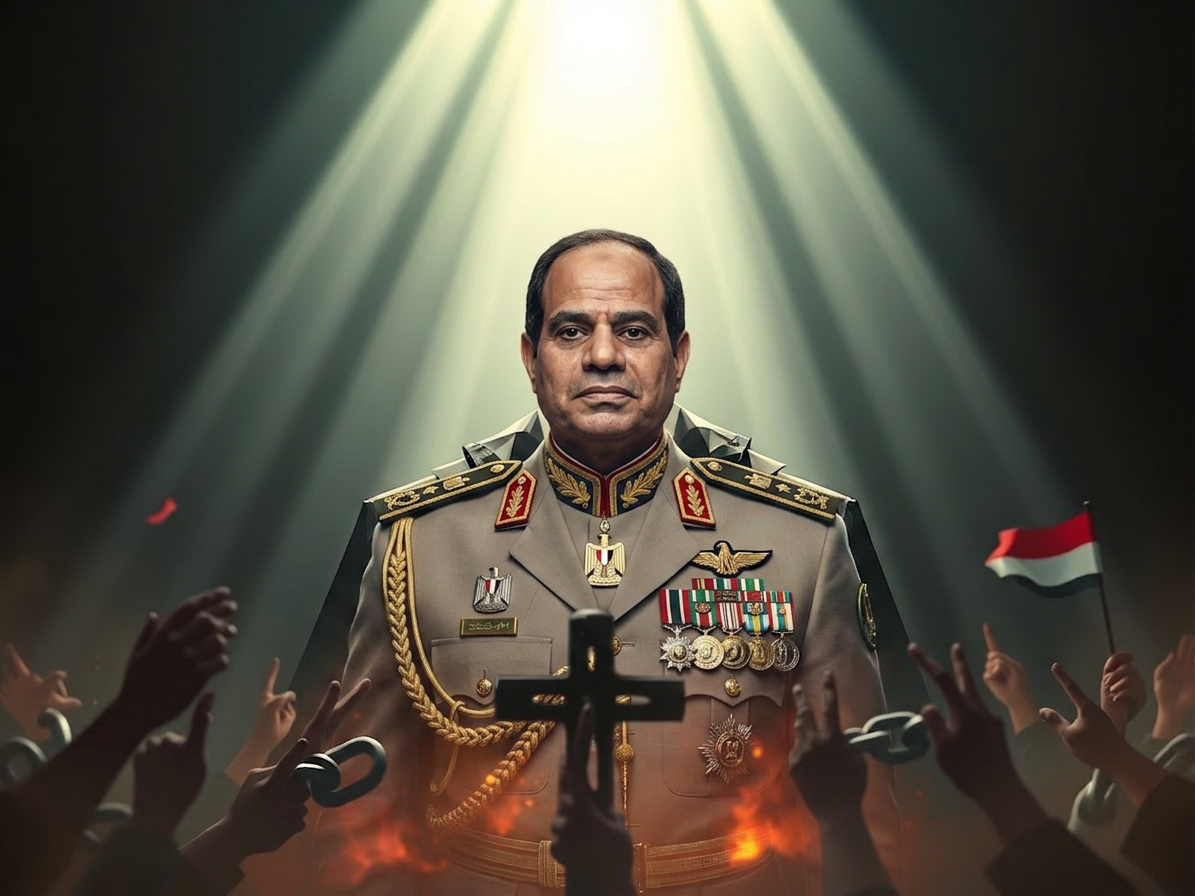
في مصر الحديثة، وتحت وطأة النظام الحالي، تواجه الأمة أزمة في “الجوهر”. فعندما يصبح النظام قائماً على ما تصفه “منظمة هيومن رايتس ووتش” بأنه “حالة استثناء” مستمرة— حيث الاعتقالات التعسفية الجماعية، والتعذيب الممنهج لكل صوت معارض، وسحق كل أشكال المعارضة—فإنه يتحول إلى “هيكل ميت” يمنع ولادة مجتمع حي.
رؤية وليام “بِن” تتلخص في أن “الموت هو طريق الحياة وشرطها”. ولكي تستعيد مصر إمكاناتها، يجب أن يذوب الشكل الحالي الذي يتسم بإسكات الأصوات والاضطهاد الممنهج للأقليات.
وبينما يستخدم النظام العسكرى الغاشم خطاب “المواطنة” و”الوحدة” للاستهلاك الإعلامي، فإن تقارير “منظمة العفو الدولية” و “اللجنة الأمريكية للحريات الدينية الدولية” تكشف واقعاً مريراً؛ حيث يُعامل الأقباط والأقليات الأخرى كأوراق ضغط سياسي و ادوات لتحقيق اغراضة و المساومة على اهدافه . فرغم بناء الكاتدرائيات الكبرى،تظل الامور على ارض الواقع مرة بـ “جلسات الصلح العرفية” التي تهدر حقوق المسيحيين بعد الاعتداءات الطائفية، وبنظام قانوني يجعل بناء الكنائس المحلية في القرى صراعاً مريراً. فبأختصار لكي تحيا مصر، يجب أن يزول هذا “الشكل” من الدولة الذي يسمح بالتمييز وغياب المحاسبة.
ذوبان الفساد والاستبداد
أشار “بِن” إلى أن “من يعيش ليعيش للأبد، لا يخشى الموت أبداً”. والفساد هو “الشكل” الفاني بامتياز. إن الإمبراطورية الاقتصادية الشاسعة للجيش المصري، والتي تعمل دون أدنى شفافية، هي قصور مبنيه على الرمال. وكما أشار صندوق النقد الدولي واقتصاديون عالميون، فإن غياب المساءلة يخنق شريان الحياة في الأمة.
إن حب مصر يقتضي إدراك أن المرء لا يمكنه “حب الحياة” إذا لم يكن مستعداً لتحمل “موت” هذا الهيكل الفاسد. إن “الذوبان” الذي يتحدث عنه “بِن” هو التطهير الضروري لكي يحل محله نظام يتسم بالشفافية والكفاءة، حيث تُحدد قيمة المواطن بأمانته وعمله، لا بدينه أو رتبته العسكرية.
التحول الحتمي
تقف مصر عند مفترق طرق حيث “ذوبان شكل قديم” هو السبيل الوحيد لـ “تعاقب شكل جديد”. إن النظام الذي يحكم عبر ما حددته لجنة الأمم المتحدة لمناهضة التعذيب بأنه انتهاكات “ممنهجة”، قد مات روحياً بالفعل.
فهم “بِن”—الذي سُجن بسبب إيمانه—أن الدولة لا تملك السيطرة على “إطار الروح”. إن الشجاعة للتخلي عن طرق الماضي المتمثلة في السلبية والخوف الطائفي هي “طريق وشرط” الحياة الجديدة لمصر. وكما تتردد كلمات “بِن” عبر القرون، فهي تذكرنا بأن دوران عجلة الزمن أمر حتمي؛ يجب أن ينكسر الشكل القديم، لكي تنجح أخيراً مصر الجديدة—مصر القائمة على حب العدل، وحماية الأقليات، وحرية الروح.

