A Foundation of a Civilized Society
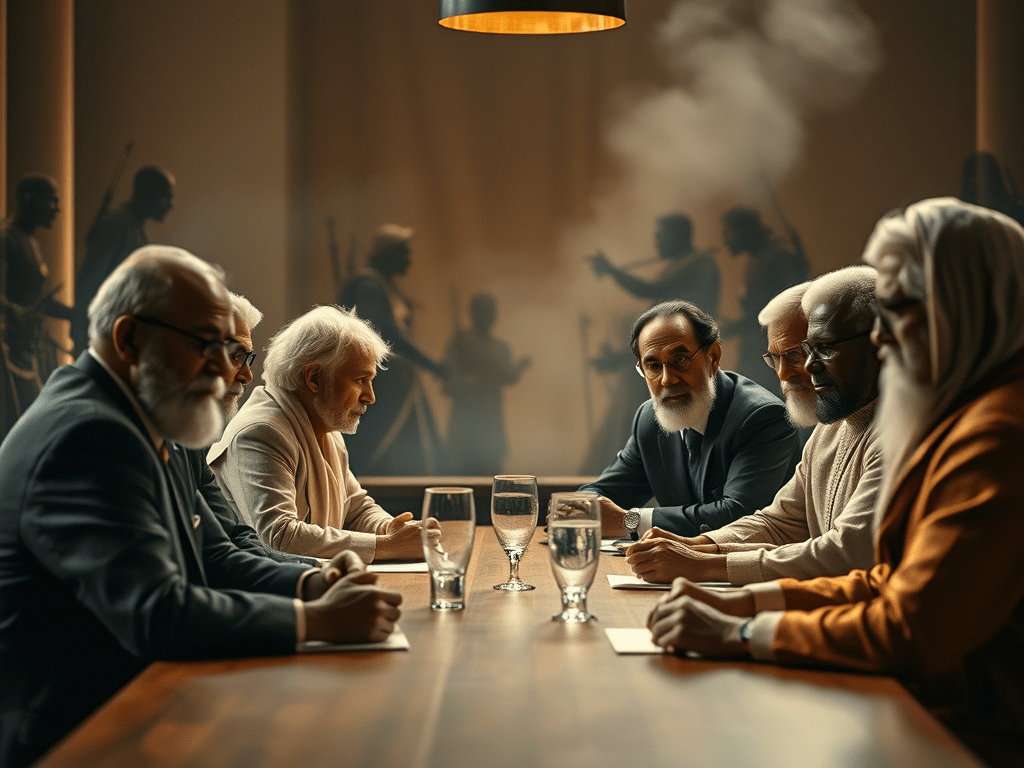
As Proverbs 29:4 suggests, a stable and righteous society is built on fair governance. This foundation highlights the need for wisdom in leadership. Wisdom is indeed essential for societal well-being. True wisdom, at its core, necessitates the cultivation of justice and objectivity. It actively rejects the biases of favoritism and the divisive impulses of tribalism. This biblical wisdom serves as a critical demarcation line. It distinguishes a civilized nation from a barbaric one. A civilized nation where fairness and impartiality prevail verses a barbaric one where self-interest and loyalties dominate.
Proverbs: Episode #2
Tough Week

This week has been incredibly difficult, one of the most challenging I’ve faced in years. Only a few weeks from 2020 and 2021 come close in intensity. There was the initial chaos of the COVID pandemic. There was also the uncertainty following my resignation from my job without knowing what comes next. This week brings a similar sense of the unknown. I’m grappling with anxieties about an upcoming challenge that threatens my family again. Nonetheless, I hold onto the faith that He who carried me through past storms will sustain me once again. Despite my own weaknesses, I trust in His power and goodness. Most of all, I pray my children will never have to endure the hardships I’ve experienced.
The Miraculous Life of Messiah: Power in Human Limitations

When the the Son of man incarnated, He took on a human nature. By embracing the limitations of humanity, He voluntary chose to yield His own will to the will of the Father. As a result, He performed many of His miracles relying on the power of the Spirit & the Father (Matt 12:28; John 11:41). This also explains why He experienced human growth and weakness like us (Luke 2:52). Messiah Yeshua is fully human like you and me. Therefore, He is capable of understanding our sufferings. He can also sustain us through our trials.
Embracing God’s Wisdom This Christmas

True wisdom begins with the fear of the Lord (Prov 1:7). It all starts with a reverence for God, acknowledging His sovereignty, and recognizing our own limitations. However, wisdom does not end there. Our lives stand or fall according to our attitude toward God and His wisdom in sending His Son to a failing world (Prov 24; John 3). If we acknowledge Him in our lives, we be blessed and enjoy our inheritance in Christ Jesus. On the other hand, if we ignore His wisdom, we will eventually lose our blessing and inherit the wind. This Christmas, whether you are a believer or seeking, I invite you to acknowledge God’s wisdom in sending His Son to save you. Put your faith in God’s wisdom, not your own’s. Merry Christmas!
Resisting Tyrants: Lessons from Al-Sisi and Assad
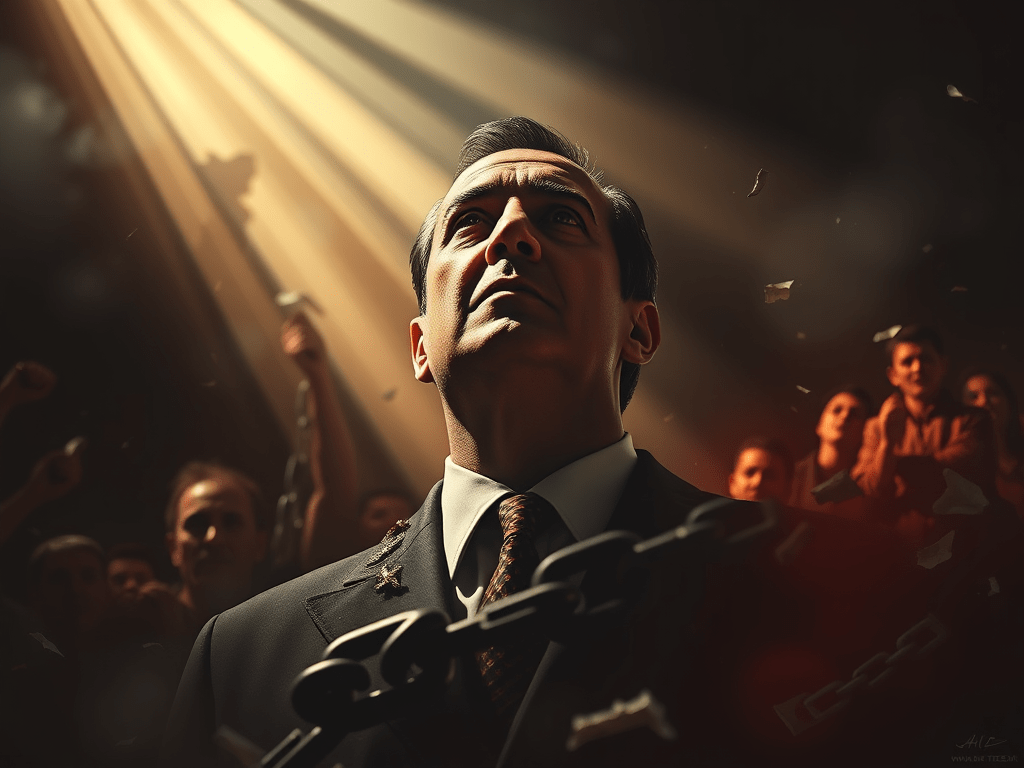
Thomas Jefferson once said, “Resisting tyranny is obedience to God.” This assertion emphasizes that resisting any form of tyranny is not only a moral duty but a divine one. Tyrants, regardless of their severity, perpetuate evil, and their rule should be opposed to uphold justice and human dignity. In the following lines, I will examine two modern-day tyrants. They are Abdel Fattah al-Sisi of Egypt and Bashar al-Assad of Syria. Their oppressive regimes illustrate the inherent dangers of tyranny and the inevitable need for their downfall.
The Nature of Tyrants
A tyrant, by definition, is an oppressive ruler who wields power unjustly and cruelly. There are no “good” or “bad” tyrants—only tyrants whose rule inflicts suffering upon their people. Abdel Fattah al-Sisi, the current President of Egypt, rose to power through a military coup in 2013. Under his rule, Egypt has experienced a crackdown on dissent. Thousands of political prisoners are held, and freedoms are restricted. Human rights abuses are widespread. The people of Egypt find themselves under the iron grip of a military tyrant who prioritizes his regime’s stability over the welfare of his citizens.
The Syrian Parallel: Bashar al-Assad
Similarly, Bashar al-Assad, the President of Syria, has become infamous for his brutal suppression of opposition. Since the outbreak of the Syrian Civil War in 2011, many have accused Assad’s regime of numerous war crimes. These accusations include the use of chemical weapons against civilians, widespread torture, and indiscriminate bombings. Assad’s tyranny has resulted in the deaths of hundreds of thousands of Syrians and displaced millions. His fall, while yet to be realized, is a testament to the relentless suffering inflicted by tyrannical rule.
Caught Between Tyranny and Extremism
Many Egyptian Christians face a dire choice. They are trapped between a military tyrant who kills his own people and Islamists who wish to impose seventh-century Shariah law. This predicament leaves me with no feasible options for a peaceful and just society. The dilemma must change, or the country will collapse under the weight of tyranny and extremism. The fall of Assad in Syria serves as a grim reminder. It shows what happens when tyranny is left unchecked. Chaos and terrorism fill the void.
The Inevitability of Fall
History has shown that no tyrant’ rule lasts forever. Eventually, they all fall, often leaving behind a trail of destruction and instability. Al-Sisi’s regime, like Assad’s, will eventually crumble under the pressure of its own oppressive weight. The alternative to tyrannical rule, however, must be carefully considered to avoid plunging the nation into further chaos.
Finally, resisting tyranny is not just a moral duty but a necessary act of obedience to God. Both notorious tyrants and seemingly mild ones perpetuate evil and suffering. The parallels between Abdel Fattah Al-Sisi and Bashar al-Assad highlight the inherent dangers of tyrannical rule. As a Christian caught between two oppressive forces, I hold onto hope. I believe that change will come. Justice will prevail. The fall of tyrants like Al-Sisi and Assad is inevitable. However, creating a just and peaceful society requires vigilance, courage, and unwavering commitment to human dignity.
More Valuable than Silver and Gold

What G-d offers you is more valuable than silver and gold (Acts 3). He offers you His only Son, Yeshua, who can transform your heart. The Messiah is the living Word of Hashem; thus, He is the only one who can change you from a child of a sinful culture into a child of G-d. Moreover, He can free you from the confusion caused by the love of money, power, and fame. Your reality will change along with your heart, allowing you to see things and people in a new and different way. Finally, you can live free from excessive anxiety and fears about tomorrow because you can rest assured in God’s eternal hope in Messiah Yeshua.
So, will you accept G-d’s most precious offer to you? If your answer is yes, pray along with me:
Dear Lord, I thank you for Your most precious gift, Yeshua.
I confess my sins, and I put my faith in Him as my Lord and Savior.
Give me true freedom from my bondage and grant me peace that transcends all understanding.
In the name of Yeshua, I pray. Amen.

Lost at School

Lost at School: Why Our Kids with Behavioral Challenges are Falling Through the Cracks and How We Can Help Them by Ross W. Greene
My rating: 4 of 5 stars
Book Review:
How about dedicating the same energy educators use to improve academic progress to solving behavior issues among challenging students? As an educator who works with such students, I implement Plan B in my classroom. Plan B involves a collaborative approach, engaging teachers, students, school administrators, and parents to identify and address the lacking skills that contribute to behavioral issues.
View all my reviews
Redeeming Quality: A Hopeful Reflection on Civil War

The movie is not what I expected; it did not reflect the current political tensions between Trump and the Democrats, or between leftists and patriots. Essentially, it’s a thriller set against the backdrop of an ongoing civil war. The causes of the war are ambiguous, but they seem linked to the actions of the fictional president.
The movie is not bad, aside from the use of profanity (a lot of the S-word, F-word, etc.) Its most redeeming feature is the potential to act as a warning against the terrors of a real civil war. We must hope and pray that such a war never happens, allowing the United States to heal internally. In the end, we must remember that only God can truly save a nation.
https://www.facebook.com/MovieSeriesTrailers/videos/1021966132409076

